
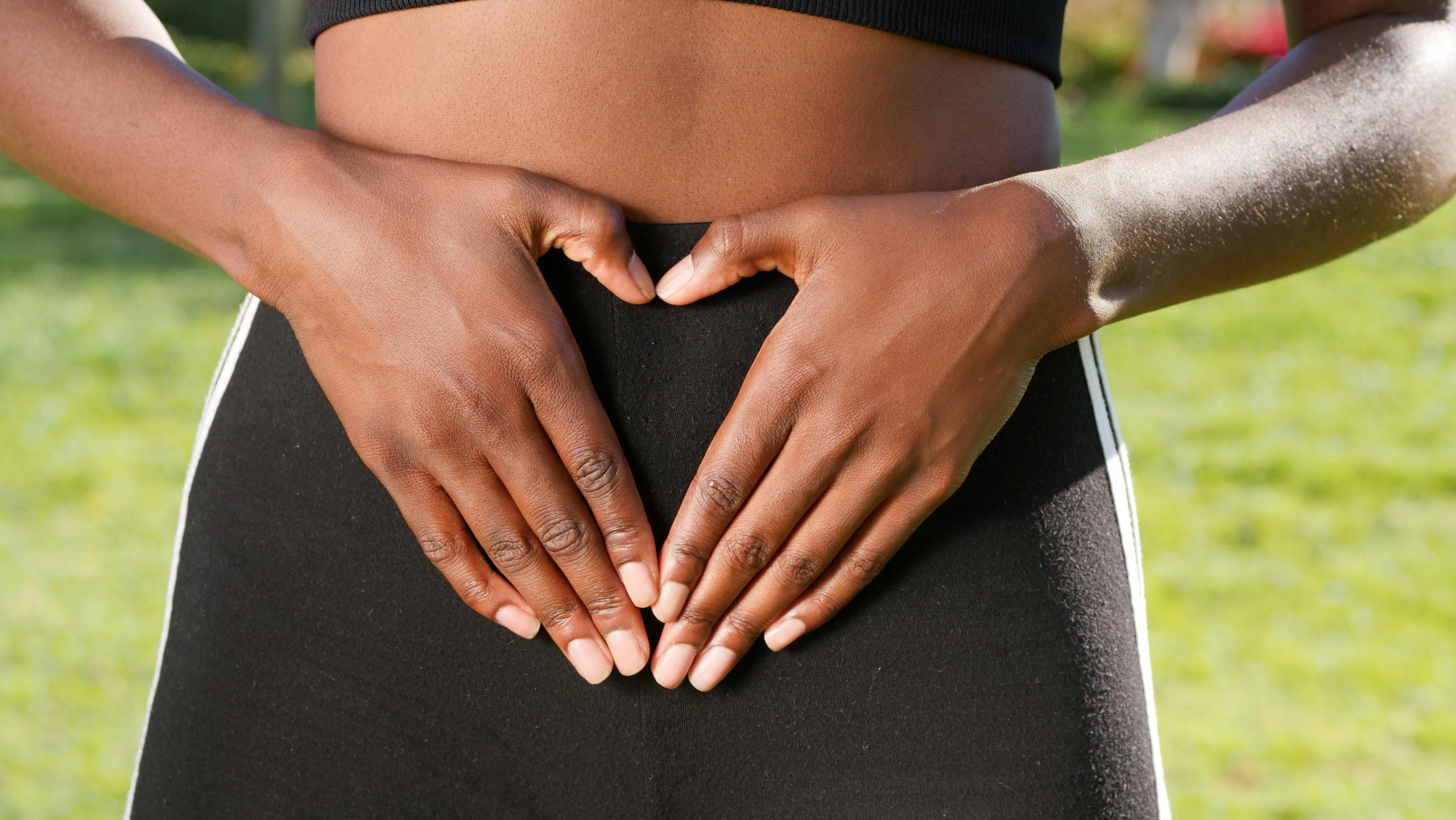
Healing After a C-Section is a critical phase of postpartum recovery that deserves far more attention than it typically receives. From a functional medicine perspective, healing after a C-section is not just about incision closure or avoiding infection. It is about restoring tissue integrity, supporting immune and hormonal balance, optimizing nervous system regulation, and preventing long-term complications that can affect fertility, digestion, pain patterns, and overall health. Healing after a C-section is a whole-body process, and when it is supported properly, recovery is stronger, faster, and more complete.

An Ounce of Prevention is Worth a Pound of Cure
Healing after a C-section often begins with understanding why C-sections occur in the first place. While some C-sections are medically necessary and lifesaving, many are driven by preventable factors. Poor fetal positioning, prolonged labor due to maternal exhaustion, unmanaged blood sugar dysregulation, inadequate pelvic mobility, chronic stress, and insufficient nutritional status all increase the likelihood of surgical delivery.
From a functional medicine lens, these factors reflect underlying physiological imbalances rather than isolated obstetric events. Nutrient deficiencies affect muscle contractility and stamina during labor. Chronic inflammation interferes with uterine efficiency. Blood sugar instability increases fetal size and labor complications. Addressing these issues earlier reduces C-section risk and sets the stage for better healing after a C-section when surgery is unavoidable.
How Functional Medicine and Traditional Medicine View C-Sections Differently
Traditional medicine approaches C-sections as a discrete surgical event. The focus is on the procedure itself, short-term infection prevention, and basic wound care. Once the incision is closed and vital signs are stable, healing after a C-section is often assumed to be complete within six weeks.
Functional medicine takes a very different view. Healing after a C-section is recognized as a major abdominal surgery recovery that affects fascia, muscle layers, nerves, lymphatic flow, gut integrity, and hormonal signaling. Functional medicine does not consider healing after a C-section complete simply because the skin looks healed. True recovery requires deep tissue repair, scar tissue remodeling, and restoration of normal physiological function.
This difference matters because incomplete healing after a C-section contributes to chronic pain, pelvic floor dysfunction, digestive issues, fertility challenges, and immune dysregulation years later.
The Benefits of Functional Medicine Care for Prevention of and Healing After a C-Section
Functional medicine care benefits pregnant women both before and after delivery. By addressing nutrition, stress physiology, metabolic health, and inflammation during pregnancy, functional medicine lowers the risk of avoidable C-sections. When surgery is necessary, functional medicine dramatically improves healing after a C-section.
One of the primary benefits is preparation. Functional medicine prepares the body for surgery by optimizing nutrient status, immune resilience, and stress regulation. This preparation directly influences healing after a C-section by improving collagen synthesis, reducing infection risk, and supporting tissue repair.
Postpartum, functional medicine offers structured support rather than vague reassurance. Healing after a C-section is guided intentionally through nutrition, movement, nervous system care, and targeted therapies that restore function instead of masking symptoms.
Evidence-Based Natural Health Support Strategies for Healing After a C-Section
Healing after a C-section requires addressing the biological demands of surgical recovery. Red light therapy supports mitochondrial function and tissue repair, accelerating wound healing and reducing inflammation. When used appropriately, red light therapy enhances cellular energy production, which is essential for healing after a C-section.
Collagen and glycine play a central role in connective tissue repair. Healing after a C-section depends on adequate amino acid availability to rebuild fascia, muscle, and skin layers. Glycine also supports sleep quality and nervous system regulation, which are often disrupted postpartum.
Acupuncture supports healing after a C-section by improving circulation, reducing pain, modulating inflammation, and supporting nervous system balance. Soft tissue therapy addresses scar tissue adhesions that interfere with movement, lymphatic drainage, and organ mobility. Without this care, healing after a C-section often remains incomplete beneath the surface.
Nutrition and Healing After a C-Section Through Functional Medicine
Nutrition is the cornerstone of healing after a C-section. Functional medicine emphasizes adequate caloric intake, high-quality protein, healthy fats, and micronutrient density. Undereating during postpartum recovery significantly delays healing after a C-section and increases complication risk.
Protein supports tissue repair and immune function. Healthy fats regulate inflammation and hormone signaling. Carbohydrates support stress hormone balance and energy demands. Healing after a C-section requires all macronutrients in sufficient amounts, not restriction.
Digestive support is also essential. Anesthesia, antibiotics, and stress disrupt gut function. Functional medicine addresses gut health to ensure nutrients consumed are absorbed and utilized effectively for healing after a C-section.
Minerals are foundational. Magnesium supports muscle relaxation and stress regulation. Zinc is essential for wound healing and immune defense. Iron replenishment supports oxygen delivery and energy production, both critical for healing after a C-section.
Exercise and Movement in Healing After a C-Section
Exercise in the context of healing after a C-section must be strategic. Functional medicine does not promote aggressive postpartum workouts. Instead, it prioritizes gentle movement, breathwork, and progressive loading to restore function without strain.
Early movement supports circulation and lymphatic flow, which are critical for healing after a C-section. Later, targeted rehabilitation rebuilds core strength and pelvic stability. Skipping this process increases the risk of chronic pain and dysfunction.
Sleep, Stress Management, and Healing After a C-Section
Sleep deprivation significantly impairs healing after a C-section. Sleep loss increases inflammation, slows tissue repair, and worsens pain perception. Functional medicine treats sleep as a biological necessity, not a lifestyle choice, in postpartum recovery.
Stress management is equally important. Chronic stress elevates cortisol, which interferes with collagen synthesis and immune function. Healing after a C-section improves when the nervous system is supported through rest, breathwork, and realistic postpartum expectations.
Gut Health and Healing After a C-Section
Gut health plays a direct role in healing after a C-section. Antibiotic exposure alters the microbiome, increasing inflammation and reducing nutrient absorption. Functional medicine restores gut balance to support immune regulation and tissue repair.
A healthy gut reduces systemic inflammation and improves nutrient utilization, both of which are essential for healing after a C-section.
Evidence-Based Supplementation for Healing After a C-Section
Supplementation supports healing after a C-section when used intentionally. Functional medicine selects supplements based on physiological need rather than routine. Collagen, magnesium, zinc, vitamin C, and targeted probiotics are commonly used to support healing after a C-section.
Supplementation is always paired with nutrition and lifestyle support. Pills alone do not heal surgery. Healing after a C-section requires a coordinated, whole-body approach.
A Functional Medicine Framework for Healing After a C-Section
Healing after a C-section is not passive. It requires intention, resources, and informed care. Functional medicine provides a comprehensive framework that addresses the physical, metabolic, immune, and nervous system demands of surgical recovery.
When healing after a C-section is supported through functional medicine, recovery becomes deeper and more complete. Pain resolves more fully. Function is restored. Long-term complications are reduced. Healing after a C-section becomes an opportunity for restoration rather than a lingering injury that is never fully addressed.

I’m Dr. Alexandra MacKillop, a functional medicine doctor, food scientist and nutrition expert.
I specialize in women’s nutrition & hormonal health, addressing concerns like longevity, fertility, postpartum, PCOS, endometriosis, and gut symptoms like bloating, constipation, diarrhea and more.
If you’re looking for a new way to approach your health, I’m here to help you through it.
Don’t miss out! Join the email list.
Love this post? Share it!
Want more? Grab a copy of my new book, The Postpartum Check-In !

Reminder: The information on this post or anywhere else on this blog or other writing is purely educational, and is not intended to diagnose, treat, prevent, or cure any health condition.