
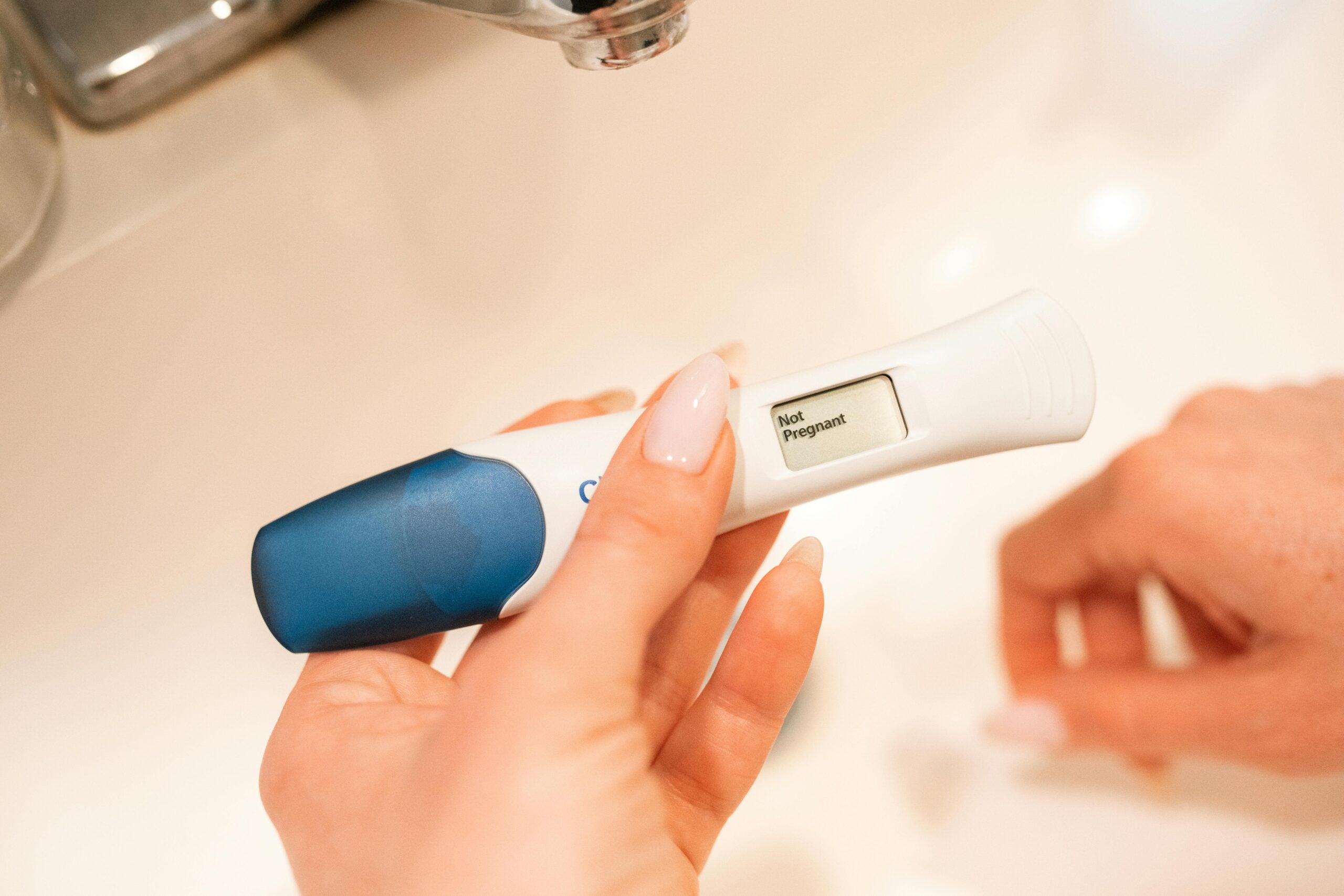
Infertility is often framed as a problem with reproductive function, but from a functional medicine perspective, infertility is a whole-body health signal. Infertility reflects disruption in hormonal communication, metabolic stability, immune balance, and cellular energy. Functional medicine infertility treatment focuses on restoring these systems so the body can support conception naturally or respond more effectively to assisted reproductive care.

What Infertility Is and How It Is Diagnosed by Age
Infertility is defined as the inability to conceive after a specific period of regular, unprotected intercourse. For women under age 35, infertility is diagnosed after unsuccessfully achieving pregnancy after 12 months of trying to conceive. For women age 35 and older, infertility is diagnosed after 6 months. This age-based distinction exists because ovarian reserve and egg quality decline with time, but functional medicine infertility treatment recognizes that age alone does not tell the full story.
Infertility is not a single condition. It is an outcome that results when ovulation, hormone signaling, implantation, or early embryonic development is disrupted. Functional medicine infertility treatment evaluates infertility as a systems-level issue rather than a stand-alone diagnosis.
Infertility Treatment: Functional Medicine Versus Traditional Medicine
Traditional infertility treatment focuses primarily on reproductive organs. Testing centers on ovulation, hormone levels at isolated points in the cycle, imaging of the uterus and fallopian tubes, and semen analysis for male partners. Treatment often progresses quickly to ovulation induction, intrauterine insemination, or in vitro fertilization.
Functional medicine infertility treatment takes a broader approach. Rather than bypassing physiology, functional medicine asks why ovulation is irregular, why hormones are imbalanced, why implantation fails, or why miscarriage risk is elevated. Functional medicine infertility treatment aims to optimize the internal environment that supports conception and pregnancy.
While functional medicine infertility treatment can complement assisted reproductive technologies, it does not default to them. Instead, it prioritizes correcting root causes that interfere with fertility and overall health.
The Benefits of Functional Medicine Care for Infertility
Functional medicine infertility treatment offers benefits that extend far beyond conception. By addressing root causes, functional medicine improves hormonal health, metabolic function, immune balance, and long-term disease risk. Many women experience improvements in energy, mood, digestion, and cycle regularity while pursuing infertility treatment via functional medicine.
Another benefit of functional medicine infertility treatment is personalization. Infertility does not have a single cause, and protocols that treat everyone the same often fail. Functional medicine infertility treatment tailors care to individual physiology, history, and lab findings.
Functional medicine infertility treatment also supports healthier pregnancies. Optimizing nutrient status, blood sugar regulation, inflammation, and stress resilience reduces complications during pregnancy and improves outcomes for both mother and baby.
Root Causes of Infertility Addressed in Functional Medicine
Hormonal Imbalances
Hormonal dysregulation is a leading driver of infertility. Irregular ovulation, luteal phase defects, low progesterone, estrogen dominance, thyroid dysfunction, and elevated prolactin all interfere with conception. Functional medicine infertility treatment evaluates hormonal patterns across the cycle rather than relying on isolated snapshots.
Insulin Resistance and Metabolic Dysfunction
Insulin resistance disrupts ovarian signaling and increases androgen production. This is a major contributor to infertility, even in women who do not meet criteria for polycystic ovary syndrome. Functional medicine infertility treatment prioritizes metabolic health as a foundation for reproductive success.
Inflammation and Immune Dysregulation
Chronic inflammation interferes with ovulation, implantation, and placental development. Autoimmune conditions, elevated inflammatory markers, and immune imbalance increase infertility and miscarriage risk. Functional medicine infertility treatment addresses inflammatory drivers rather than suppressing immune activity.
Gut Health and Nutrient Absorption
The gut plays a central role in hormone metabolism, immune regulation, and nutrient absorption. Dysbiosis and intestinal permeability worsen inflammation and estrogen imbalance. Functional medicine infertility treatment restores gut integrity to support hormonal and immune balance.
Stress and Nervous System Dysregulation
Chronic stress alters hypothalamic signaling and suppresses reproductive hormones. Functional medicine infertility treatment addresses stress physiology directly, recognizing that fertility requires a sense of biological safety.
Environmental Toxins
Endocrine-disrupting chemicals interfere with hormone receptors, egg quality, and implantation. Functional medicine infertility treatment includes strategies to reduce toxic burden and support detoxification pathways.
Functional Medicine Parameters That Influence Infertility Treatment
Nutrition
Nutrition is foundational in infertility treatment via functional medicine. Food provides the raw materials for hormone production, mitochondrial energy, and detoxification. Functional medicine infertility treatment emphasizes nutrient density, blood sugar stability, and anti-inflammatory eating patterns to support ovulation and implantation.
Exercise
Movement improves insulin sensitivity, circulation, and stress regulation. However, excessive or poorly fueled exercise suppresses ovulation. Functional medicine infertility treatment uses exercise strategically to support fertility rather than undermine it.
Sleep
Sleep is essential for hormonal regulation and cellular repair. Poor sleep disrupts cortisol, insulin, and reproductive hormones. Functional medicine infertility treatment prioritizes sleep quality as a critical component of fertility optimization.
Stress Management
Stress directly suppresses reproductive signaling. Functional medicine infertility treatment focuses on nervous system regulation rather than superficial relaxation techniques. Supporting stress resilience improves ovulatory consistency and implantation potential.
Gut Health
Gut health is central to functional medicine infertility treatment. A healthy microbiome supports estrogen metabolism, immune tolerance, and nutrient absorption. Addressing gut dysfunction reduces systemic inflammation that interferes with fertility.
Evidence-Based Supplementation
Supplementation in functional medicine infertility treatment is targeted and evidence-based. Nutrients support egg quality, hormone production, antioxidant defenses, and mitochondrial function. Supplements are selected based on individual needs, not generic fertility trends.
Infertility treatment via functional medicine reframes infertility as a solvable physiological imbalance rather than a permanent diagnosis. Functional medicine infertility treatment restores the conditions required for conception by addressing the interconnected systems that govern reproductive health.
Infertility is not isolated to the reproductive organs. Infertility reflects whole-body function. Functional medicine infertility treatment honors that complexity and uses it to guide effective, personalized care that supports both fertility and lifelong health.

I’m Dr. Alexandra MacKillop, a functional medicine doctor, food scientist and nutrition expert.
I specialize in women’s nutrition & hormonal health, addressing concerns like longevity, fertility, postpartum, PCOS, endometriosis, and gut symptoms like bloating, constipation, diarrhea and more.
If you’re looking for a new way to approach your health, I’m here to help you through it.
Don’t miss out! Join the email list.
Love this post? Share it!
Want more? Grab a copy of my new book, The Postpartum Check-In !

Reminder: The information on this post or anywhere else on this blog or other writing is purely educational, and is not intended to diagnose, treat, prevent, or cure any health condition.