
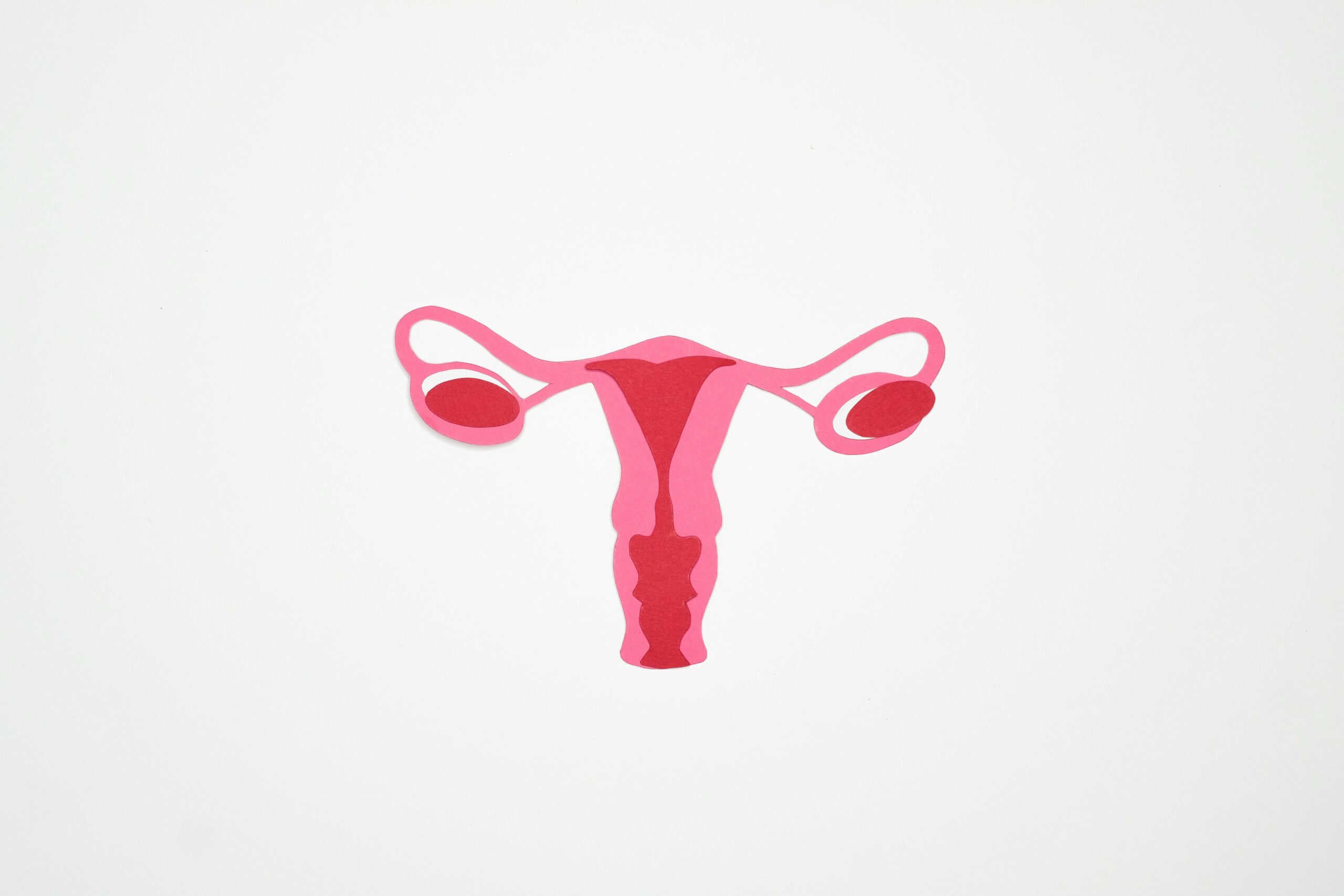
Endometriosis is a complex, painful, and often debilitating condition that affects millions of women worldwide, yet it remains widely misunderstood and frequently undertreated. From a functional medicine perspective, endometriosis is not simply a gynecologic disorder confined to the pelvis. Endometriosis reflects a broader pattern of immune dysregulation, hormonal imbalance, inflammation, and impaired detoxification. Endometriosis functional medicine focuses on identifying and correcting these root drivers rather than suppressing symptoms alone.

What Endometriosis Is From a Functional Medicine Perspective
Endometriosis occurs when tissue similar to the uterine lining grows outside the uterus, commonly on the ovaries, fallopian tubes, bladder, bowel, and pelvic connective tissue. These lesions respond to hormonal signals and inflammatory cues, leading to chronic pain, heavy or painful periods, infertility, digestive symptoms, and systemic inflammation.
In functional medicine endometriosis care, the disease is understood as a whole-body condition. Endometriosis is driven by estrogen dominance, immune system dysfunction, chronic inflammation, impaired clearance of estrogen, and altered pain signaling. The presence of ectopic tissue is not the sole problem. The environment that allows that tissue to grow, persist, and cause pain is the true target of treatment in endometriosis functional medicine.
How Endometriosis Is Treated in Traditional Medicine Versus Functional Medicine
Traditional medical treatment for endometriosis focuses on symptom suppression. Hormonal birth control, progestins, and GnRH agonists are prescribed to suppress ovulation and lower estrogen levels. Pain medications are used to manage symptoms. Surgery is often recommended to excise visible lesions.
These approaches reduce symptoms temporarily, but recurrence rates remain high. Hormonal suppression does not correct immune dysfunction or inflammatory signaling. Surgery removes lesions but does not address why the body formed them in the first place. Many patients cycle through medications and procedures without long-term relief.
Endometriosis functional medicine takes a fundamentally different approach. Instead of asking how to suppress estrogen or eliminate tissue, functional medicine endometriosis care asks why estrogen signaling is dysregulated, why immune surveillance is impaired, and why inflammation persists. Treatment aims to change the internal environment so endometriosis activity quiets and progression slows.
The Benefits of Functional Medicine Care for Endometriosis
Endometriosis functional medicine offers a personalized, systems-based approach that treats the whole person rather than isolated symptoms. This model recognizes that endometriosis presents differently in different bodies and requires individualized strategies.
Patients benefit from comprehensive evaluation of hormone metabolism, immune markers, gut health, liver detoxification pathways, nutrient status, and inflammatory burden. Functional medicine endometriosis care evolves over time as the body responds, rather than relying on static protocols.
This approach often leads to improved pain control, reduced inflammation, better cycle regularity, improved fertility outcomes, enhanced energy, and better quality of life. Endometriosis functional medicine also reduces reliance on aggressive hormonal suppression by supporting the body’s innate regulatory systems.
Hormonal and Immune Factors Driving Endometriosis
Endometriosis is an estrogen-driven condition, but estrogen excess alone does not explain its behavior. In endometriosis functional medicine, attention is placed on estrogen metabolism and clearance. Poor detoxification leads to accumulation of inflammatory estrogen metabolites that stimulate lesion growth.
The immune system also plays a central role. In a healthy immune system, ectopic endometrial cells are cleared efficiently. In endometriosis, immune surveillance is impaired. Macrophages and inflammatory cytokines promote lesion survival rather than elimination. This inflammatory environment sensitizes pain pathways and perpetuates tissue growth.
Chronic inflammation further disrupts progesterone signaling, leading to progesterone resistance. This imbalance allows estrogen-driven processes to dominate. Functional medicine endometriosis care focuses on restoring immune balance, reducing inflammatory signaling, and supporting healthy hormone metabolism simultaneously.
Functional Medicine Parameters That Guide Endometriosis Treatment
Nutrition
Nutrition is foundational in endometriosis functional medicine. Food directly influences inflammation, estrogen metabolism, gut integrity, and immune signaling. Treatment prioritizes anti-inflammatory, nutrient-dense foods that stabilize blood sugar and support detoxification pathways. Removing inflammatory triggers reduces cytokine activity and pain signaling.
Exercise
Exercise influences immune regulation, insulin sensitivity, and lymphatic circulation. In functional medicine endometriosis care, movement is prescribed strategically. Gentle, consistent exercise improves circulation and reduces inflammation without increasing physiological stress. Overexertion worsens symptoms and is avoided.
Sleep
Sleep regulates immune function, hormone signaling, and pain perception. Poor sleep amplifies inflammation and estrogen imbalance. Endometriosis functional medicine prioritizes sleep quality and circadian rhythm to support immune repair and hormonal regulation.
Stress Management
Chronic stress increases inflammatory signaling and worsens pain sensitivity. Stress hormones interfere with progesterone signaling and immune balance. Functional medicine endometriosis care emphasizes nervous system regulation through physiological stress reduction strategies that calm inflammatory pathways.
Gut Health
Gut health plays a critical role in endometriosis functional medicine. The gut microbiome influences estrogen recycling through the estrobolome. Dysbiosis leads to increased reabsorption of estrogen and higher inflammatory burden. Intestinal permeability further activates immune responses. Restoring gut integrity reduces systemic inflammation and improves hormone balance.
Evidence-Based Supplementation
Supplementation in endometriosis functional medicine is targeted and evidence-based. Supplements are selected to support estrogen metabolism, immune modulation, antioxidant capacity, and inflammatory control. Nutrient deficiencies are corrected to support tissue repair and hormonal resilience. This individualized approach improves outcomes while avoiding unnecessary interventions.
Endometriosis functional medicine reframes endometriosis as a dynamic, modifiable condition rather than an inevitable, progressive disease. By addressing hormonal imbalance, immune dysfunction, inflammation, and metabolic stress together, functional medicine endometriosis care changes the internal environment that allows endometriosis to persist. Endometriosis is not a failure of the reproductive system. It is a signal of systemic imbalance, and functional medicine provides a clear path toward restoring balance, reducing symptoms, and improving long-term health.

I’m Dr. Alexandra MacKillop, a functional medicine doctor, food scientist and nutrition expert.
I specialize in women’s nutrition & hormonal health, addressing concerns like longevity, fertility, postpartum, PCOS, endometriosis, and gut symptoms like bloating, constipation, diarrhea and more.
If you’re looking for a new way to approach your health, I’m here to help you through it.
Don’t miss out! Join the email list.
Love this post? Share it!
Want more? Grab a copy of my new book, The Postpartum Check-In !

Reminder: The information on this post or anywhere else on this blog or other writing is purely educational, and is not intended to diagnose, treat, prevent, or cure any health condition.